
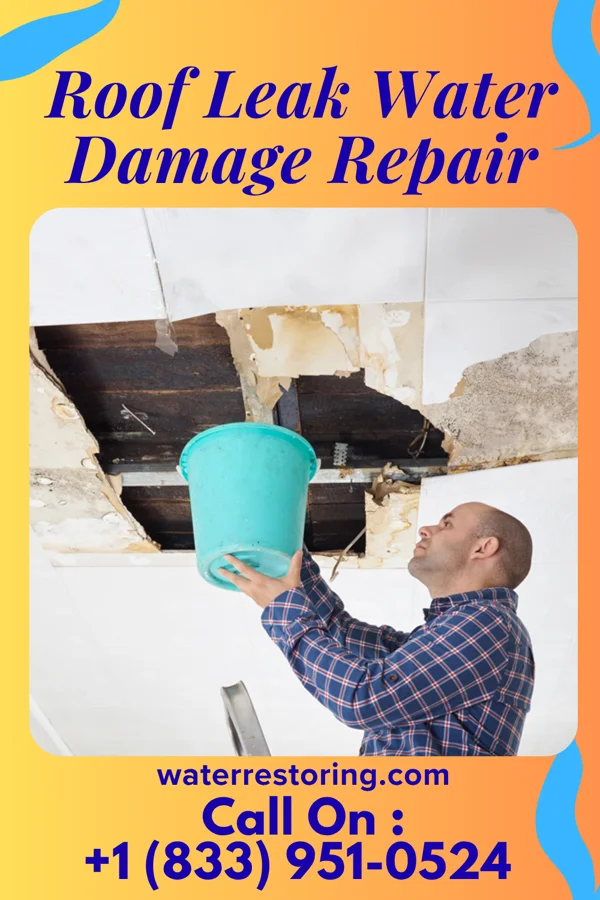
Common Roof Leak Causes in Clarksville
Most roof leak water damage repair calls in Clarksville come from Clarksville, Missouri experiences frequent thunderstorms and heavy downpours, especially during the spring and summer months. These intense rainfall events can overwhelm roofing systems, leading to leaks and water damage. The area's occasional high winds can also contribute to roof damage, particularly on older or improperly maintained structures.. A close second is While Clarksville has a relatively mild climate, the region is prone to sudden temperature changes and humidity spikes, which can cause roofing materials to expand and contract. This can lead to cracks and gaps, increasing the risk of water infiltration during rain events.. If you know what is about to happen, the decisions during the first 48 hours get a lot easier.
The combination of heavy rainfall, fluctuating temperatures, and occasional high winds in Clarksville creates a challenging environment for roofing systems. This climate leads to frequent issues such as shingle deterioration, flashing failure, and water pooling on flat or low-slope roofs.
Most roof leak water damage repair calls in Clarksville come from Clarksville, Missouri experiences frequent thunderstorms and heavy downpours, especially during the spring and summer months. These intense rainfall events can overwhelm roofing systems, leading to leaks and water damage. The area's occasional high winds can also contribute to roof damage, particularly on older or improperly maintained structures.. Running a close second is While Clarksville has a relatively mild climate, the region is prone to sudden temperature changes and humidity spikes, which can cause roofing materials to expand and contract. This can lead to cracks and gaps, increasing the risk of water infiltration during rain events.. Local mold risk: In Clarksville, mold can develop within 48 hours of water intrusion, especially in humid conditions. This rapid growth can lead to secondary damage, including structural weakening, discoloration, and health risks for occupants.